My day is usually a blur of Slack notifications, emails, and blue light. By 6 PM, my brain feels like static.
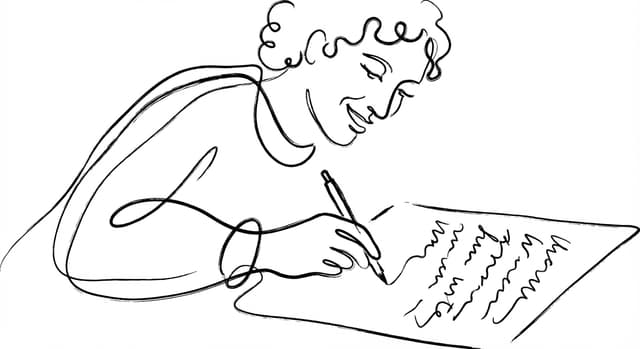
A few years ago, I started doing something analog to combat this: I bought a cheap notebook and a nice pen, and I just started writing. Not typing. Writing.
At first, it was painful. My hand cramped. My handwriting looked like a spider had walked through ink. But after a few weeks, something shifted. That notebook became the only place in my life where I couldn't hit "Backspace."
Why Analog Matters
There is plenty of science out there about "cognitive benefits" and "neural pathways." And sure, that's all true. But the real benefit is slower.
When you type, you can write as fast as you think. When you write by hand, you are forced to slow your thoughts down to the speed of your pen. It filters out the noise. You have to actually decide what you want to say before you commit it to paper because crossing it out looks messy.
The "Progress Tracker" Effect
If you are trying to improve your penmanship, a journal is the ultimate honest feedback loop.
I look back at my journals from three years ago, and the difference is wild.
- Day 1: Scribbles. Inconsistent slant. Tiny, cramped letters (a sign of tension).
- Month 6: I started using a fountain pen, so my letters got rounder to accommodate the ink flow.
- Year 1: I developed my own shorthand for common words.
You don't notice the daily improvements, but when you flip back 100 pages, it's like looking at a different person's writing.
How to Actually Stick With It
Most people buy a Moleskine, write "This is the first entry" on page one, and then never touch it again. Here is how to avoid that:
1. The "Garbage Page" Rule
Give yourself permission to write garbage. If you try to be profound every day, you’ll quit. Some of my entries are just: "I am tired. The coffee was bad today. I need to buy eggs." That counts.
2. Find Your Tool
It sounds silly, but if you hate your pen, you won't write.
- If you have small, messy writing, try a Fine Gel Pen (0.38mm). It forces precision.
- If your hand cramps, try a Fountain Pen. It requires zero pressure. (We have a whole guide on finding the right pen if you want to geek out).
3. Combine it with Learning
If you are learning a language (like Thai or Japanese), use your journal to practice characters. Don't just do drills; try to write a "Frankenstein" sentence mixing English and your target language.
- Example: "Today I went to the Talat (Market) and bought Gaa-fae (Coffee)."
The Mental Reset
The best part of my handwriting journal isn't that my script is prettier (though it is). It's that for 15 minutes a day, I am not a user, or a consumer, or an employee. I am just a hand moving across a page.
If you want to start, don't overthink it. Grab whatever paper is near you. Write the date. And see what happens.
Summary: Why Keep a Journal?
| Benefit | The "Why" |
|---|---|
| Mental Slow-Down | Forces you to think before you write (no backspace). |
| Honest Tracking | A physical record of how your handwriting evolves. |
| Language Practice | Safe space to use new vocabulary or characters. |
| Digital Detox | 15 minutes of no notifications or blue light. |
| Stress Relief | "Garbage pages" get thoughts out of your head. |